Trading Tools
Learn about specialized tools traders may use to make trading decisions.
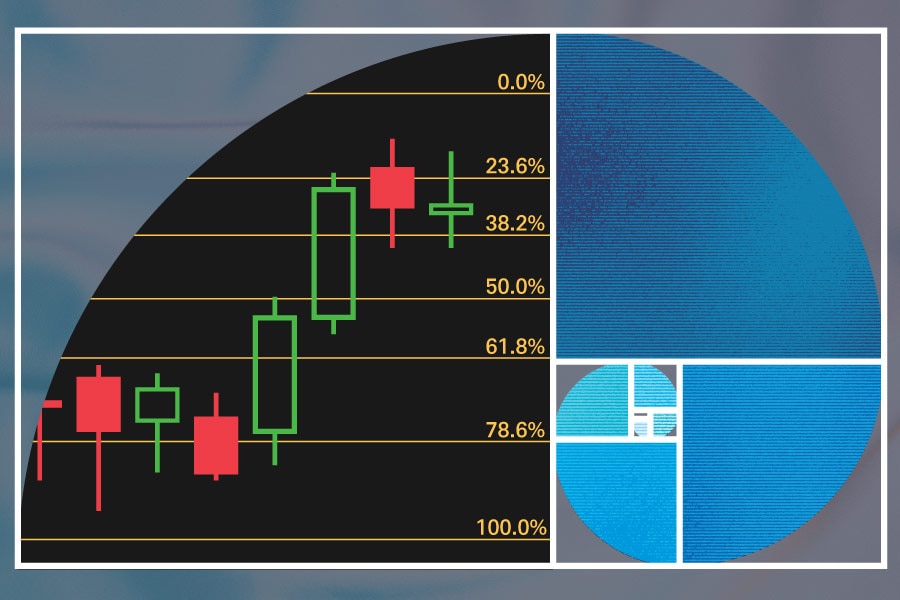
Fibonacci Retracement and Extension Levels Explained
Fibonacci retracement and extension levels are technical analysis tools that can help traders identify potential support and resistance price levels in stock trading.

4 Reasons to Try Paper Trading
Paper trading isn't only for beginners. Here are four reasons you might benefit from a simulated trading experience.

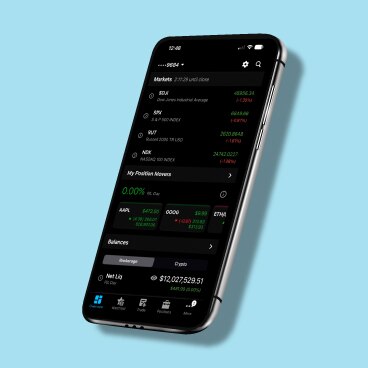
Introduction to thinkorswim® mobile for iPhone
Learn how to navigate and place trades on the thinkorswim® mobile app for iPhone.
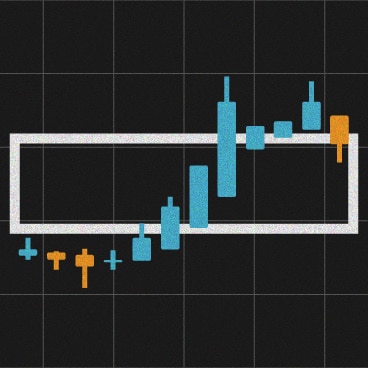
How to Use Heikin Ashi Charts
Heikin ashi charts can potentially help traders identify when trends are likely to reverse. Learn how to read these charts and how to use them when trading.

3 Stock Options Trading Stats on thinkorswim
Learn how three options statistics on thinkorswim—implied and historical volatility, the Sizzle Index, and the put/call ratio—can help traders make more informed decisions.

Tracking Lesser-Known Economic Indicators
Researching lesser-known economic indicators on the thinkorswim® platform is a low-effort way to potentially elevate an investor's game.

Using Options Volatility Data to Research Moves
These options sentiment indicators—available on the thinkorswim platform—enable a trader to see the market's expectations for a security's potential move

How to Tell If a Market Is Overbought or Oversold
Overbought and oversold readings aren't as straightforward as they sound. But understood in context, they can provide traders some insight when making entry and exit decisions.

Simple vs. Exponential Moving Averages
Build on your charting basics and try simple moving averages for long-term charts and exponential moving averages for short-term views.